

Replacing missing teeth
Dental Implants in Jeddah
A fixed replacement for a missing tooth: the implant takes the place of the root, and a precisely designed final crown is what makes the result work and look like a natural tooth — planned end to end, from exam and imaging to fitting and follow-up.
Losing a single tooth changes more than you would expect. Chewing shifts to one side, the neighbouring teeth begin to drift into the gap, and the bone where the tooth stood slowly recedes because nothing loads it any more. A dental implant is the option that replaces the root itself, not just the crown: a small titanium post is placed in the bone where the root used to be, fuses with it over weeks to months, and then carries a final crown that works and looks like a natural tooth — without touching the teeth on either side.
What many people miss is that the implant itself is never seen or used directly. What you see in the mirror, chew with and show when you smile is the crown. So an implant is not a success when it has fused with the bone; it is a success when the crown on top has a balanced bite, tight margins, a natural transition into the gum and a shape you can keep clean. A rushed crown on a well-placed implant wastes everything that came before it — and that is exactly what we work to avoid.
We treat the case as one project from day one, not two separate stages — the same doctor places the implant and makes the crown, in the same clinic, so you are not passed between one dentist who places the implant and another who fits the crown, and nothing is lost between stages. We begin by assessing bone, gum and bite, then decide the ideal implant position by working back from the final crown we want — not the other way round — and then design, fit and follow up the crown. You know from the start what the steps are, roughly how many visits you will need, and what the alternatives are if an implant turns out not to be the right choice for you right now.
When is it the right choice?
- One or more missing teeth, and a wish for a fixed solution that does not come out or move.
- Not wanting healthy neighbouring teeth drilled down, as a conventional bridge requires.
- A removable denture that is unstable and gets in the way of eating, speaking or confidence.
- A tooth too damaged to save, where the implant is planned from the moment extraction is decided — not afterwards.
- Bone and gums in suitable condition — which imaging and the exam decide, not assumption.
- Not yet: uncontrolled gum disease. It is treated first, because an implant placed into inflamed tissue is at risk of failing.
- Not yet: clearly insufficient bone. It needs careful assessment, and may need preparation before any implant decision.
- Assessed with care: heavy smoking, uncontrolled chronic conditions, or severe tooth grinding. None is an absolute barrier, but each changes the plan and the expectations.
The journey, step by step
- Exam and 3D imaging: we measure the amount and quality of bone, check the gums, the bite and the neighbouring and opposing teeth, and ask about your general health and medications.
- Planning backwards: we design the final crown's shape and position first, then decide the implant's position and angle from it. This is where we explain the option that fits you — immediate or conventional — and any alternatives.
- Preparation before the implant, if needed: gum treatment, a careful extraction that preserves bone, or preparation of the bone at the site.
- Implant placement under local anaesthesia, then a healing period while it fuses with the bone. In many cases you have a temporary tooth during this time, especially at the front.
- Shaping the gum around the implant, then precise impressions (digital or conventional) from which the lab makes the final crown.
- Try-in of the crown: we check shade, shape and contact with the neighbouring teeth, then secure it and fine-tune the bite.
- Regular follow-up: checking the tissues around the implant, professional cleaning and reviewing the bite as needed — this is what extends the life of the result.
Immediate vs conventional implants
In a conventional implant, the tooth is removed, the site is left to heal for weeks or months, the implant is then placed and left to fuse with the bone, and the crown is fitted afterwards. In an immediate implant, the implant is placed in the same session as the extraction, and if its initial stability is good enough, a temporary crown may be fitted the same day or shortly after.
Each path has its pros and cons. Immediate means fewer visits and less time without a tooth, and it can help preserve the gum contour at the front. But it requires enough bone around the extraction site, no active infection, good initial stability of the implant, and a bite that puts no load on the temporary crown while it heals. Conventional suits a wider range of cases, gives the site time to heal before placement, and is the more conservative choice where there is infection or bone loss — at the cost of a longer timeline and more visits.
Neither path is superior in every case; the choice depends on how the site looks on examination and imaging, and it is made with you at the consultation once the advantages and conditions have been explained. What matters most: in both paths, the final crown stage is the same — and it is the stage that decides how the result looks and how long it lasts.
The final crown on the implant
A crown on an implant behaves differently from a crown on a natural tooth. A natural root is cushioned by a thin ligament that absorbs shocks and senses force; an implant has no such ligament, so any high spot in the bite transfers straight to the implant and the bone. That is why we adjust the bite so precisely: the crown touches lightly in normal closure and is never the first thing to meet under pressure.
The gum line is what separates a crown that looks "fitted" from one that looks as though it grew there. The way the crown emerges from the gum decides whether the margins look natural and whether they are easy to clean. At the front, we shape the gum with a temporary crown for a few weeks before the final one, so the gum line settles and the crown sits where a natural tooth would.
How it is held, in plain words: the crown is either fixed with a small screw inside the implant, with the access hole sealed by a tooth-colored filling, or cemented onto an intermediate piece attached to the implant. Screw-retained crowns are easy to remove for maintenance and leave no cement residue under the gum; cemented crowns give more freedom of shape when the implant angle would put a screw hole somewhere visible. The choice depends on the implant's position and angle and on your smile, and we explain it for your case.
Why the crown's quality matters: it is the part that meets food, the toothbrush and the eye every day. Tight margins stop plaque collecting, correct contact with the neighbouring teeth stops food packing, and its polish and shade decide whether anyone notices it. A well-made crown on a successful implant is what makes the result last — and that is the heart of our restorative work.
Alternatives: the fixed bridge
An implant is not the only answer, and not always the right one. A fixed bridge replaces the missing tooth with a crown suspended between two crowns on the neighbouring teeth, and it is a sensible option in clear situations: when the neighbouring teeth already need crowns because of large fillings, fractures or old crowns; when the bone does not allow an implant and the patient does not want preparation for it; when a health condition rules out surgery; or when the time available is too short for a healing period.
Against that: a bridge requires the neighbouring teeth to be drilled even if they are healthy, it does not preserve the bone under the suspended tooth, and it needs special cleaning underneath with floss or an interdental brush. In return it is faster, simpler and needs no surgery.
There are also temporary or transitional options, such as a partial denture or a bonded bridge, when the final decision is deferred. And where several neighbouring teeth are missing, the most sensible choice may be a bridge on two implants rather than an implant for every tooth. The comparison is laid out clearly after the exam, and the decision is yours once you understand each option. Message us on WhatsApp to book a consultation.

Orchid Dental
Dr. Abdullah Bokhary
The implant replaces the missing root, and a precisely designed final crown is what makes the result function and last — full planning from exam and imaging to fitting and follow-up.
Esthetic & Restorative Dentistry Consultant
Advanced Education in Esthetic & Operative Dentistry (AEEOD) · Master of Science in Dental Research (MSc) · Certificate of Advanced Graduate Study in Dental Public Health (CAGS) · Fellowship of the Royal College of Dentists of Canada — Dental Public Health (FRCDC) · Bachelor of Dental Medicine & Surgery (BDS)
Meet the doctor → Ask on WhatsApp →Before & after
Real cases from the clinic
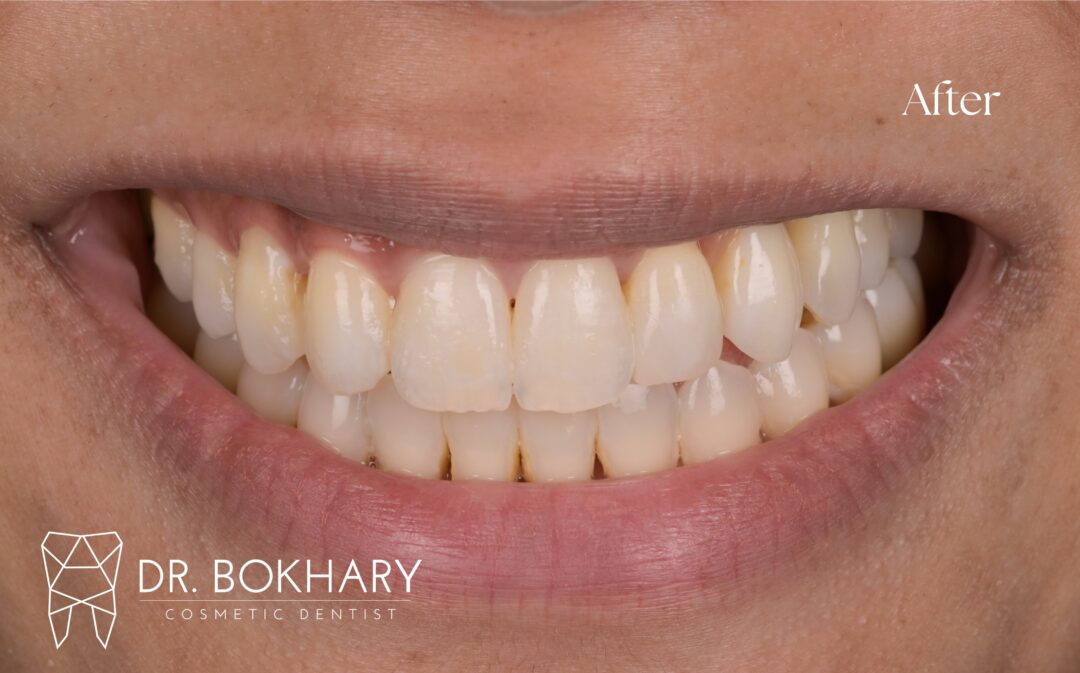
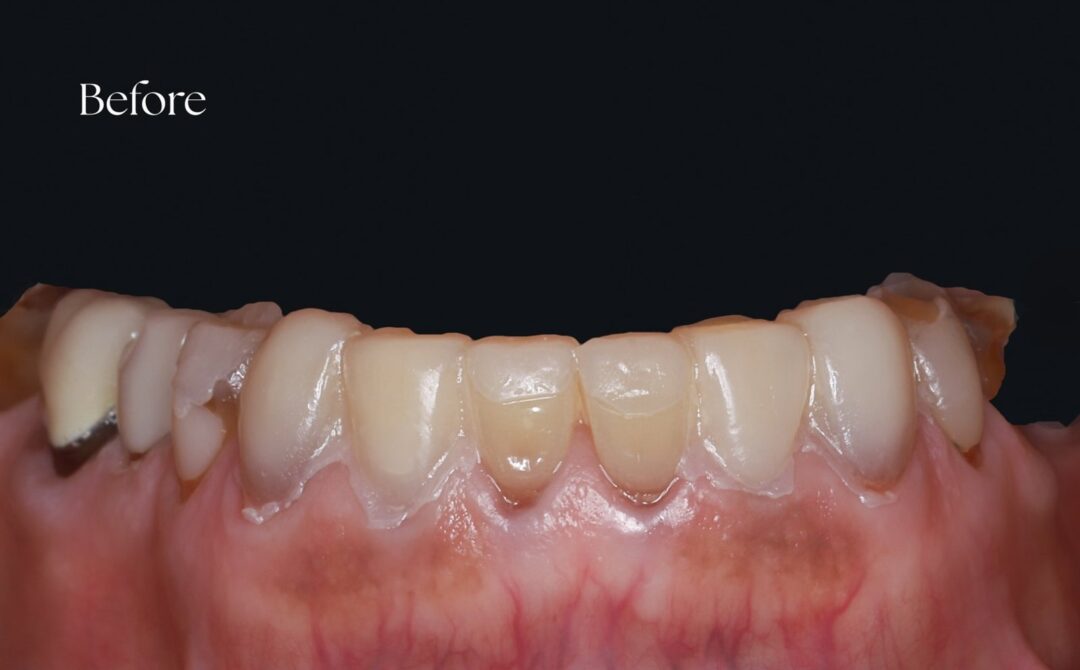
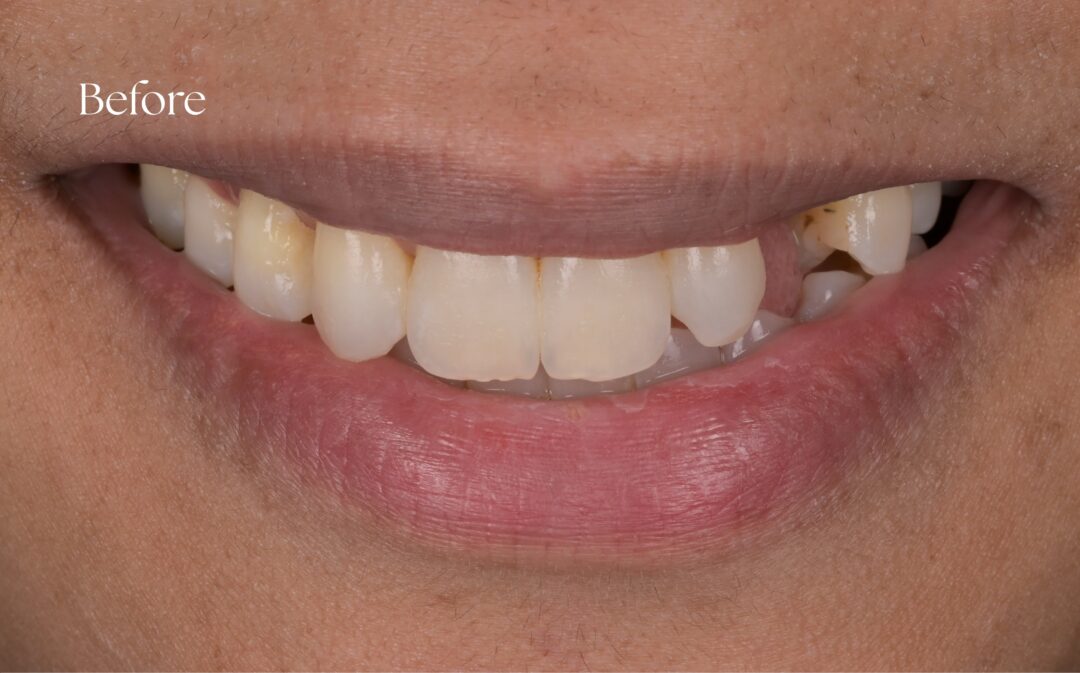 Before
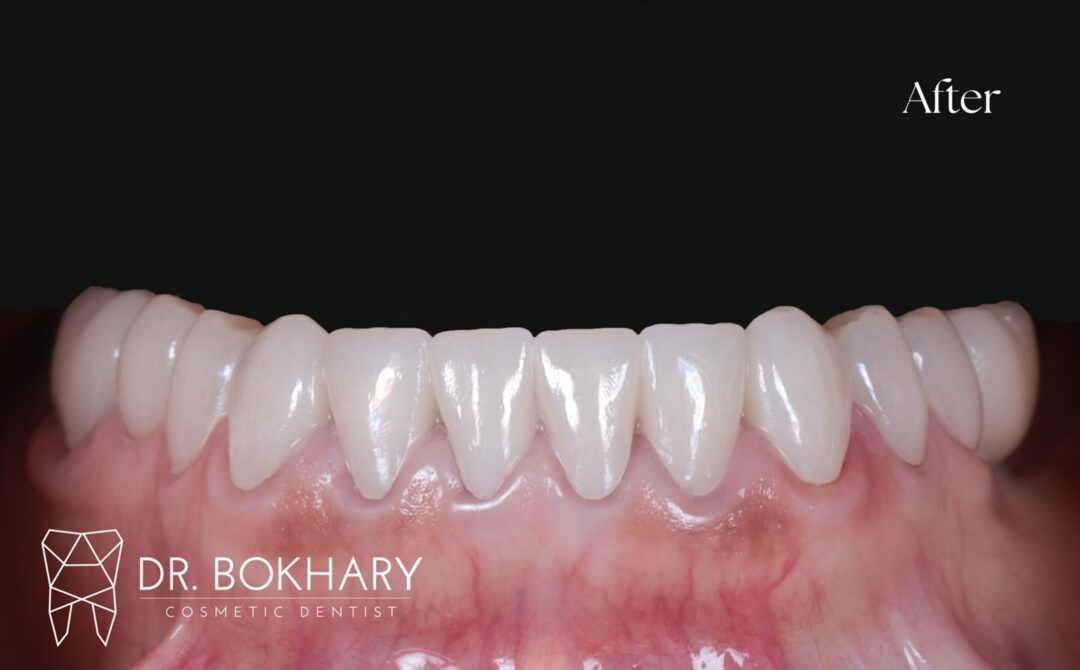
After
Not every case needs work on the whole arch; sometimes a smart intervention on two teeth is enough. We placed an implant for the missing tooth and restored it with a crown in the shade and translucency of the neighbouring teeth, and reshaped the central incisor to bring the smile into balance. The result: our patient smiles wider, with confidence. Worth knowing: if a missing tooth is not replaced, the neighbouring teeth drift into the gap and the bone beneath it resorbs over time. Replacing it early is simpler and less costly.
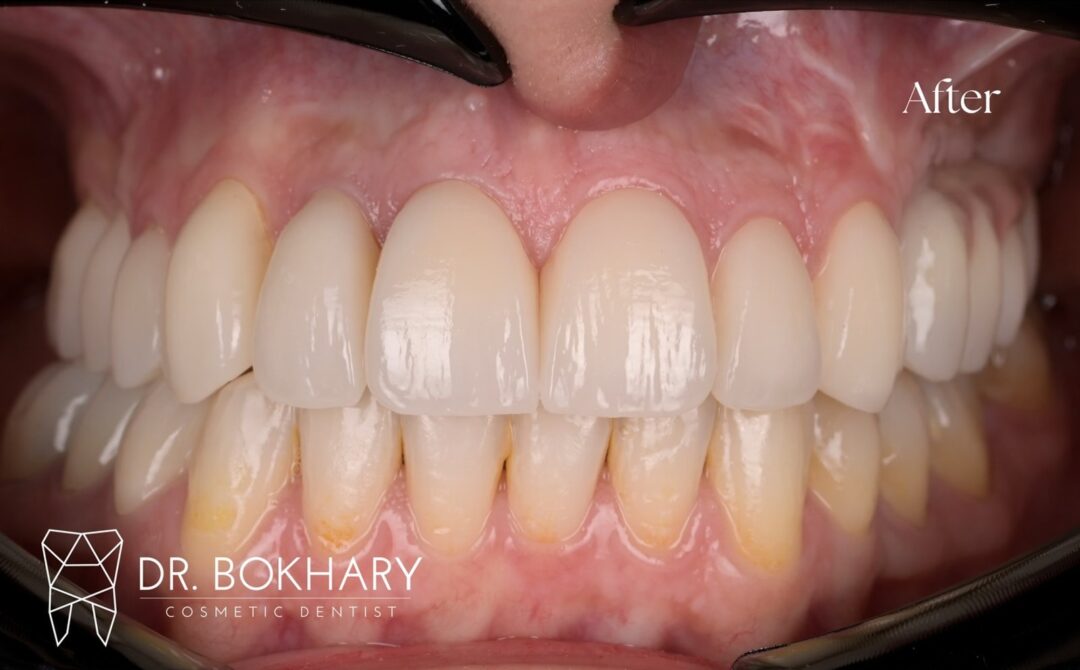
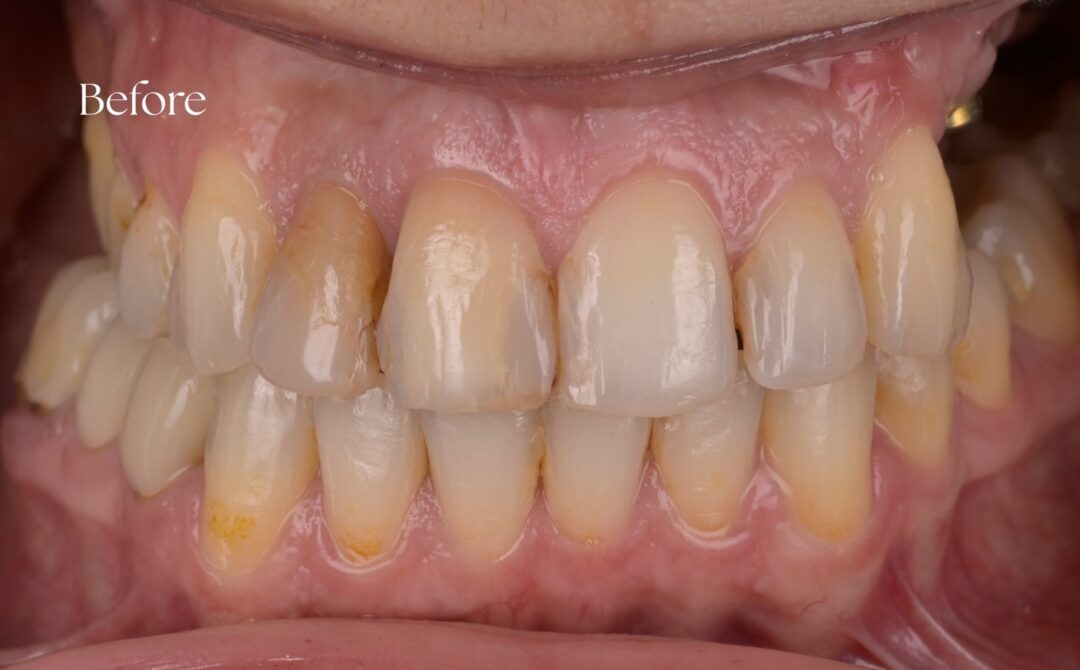 Before
After
A new smile — and a different confidence ✨ Implants, crowns, and correction of the crossbite brought our patient to the beautiful smile she deserved 😍🦷
 Before
After
Who said cosmetic dentistry is only for the upper or front teeth? This patient's teeth were badly worn — we restored both function and beauty with crowns and implants 😍 What do you think of the difference?
 Before
After
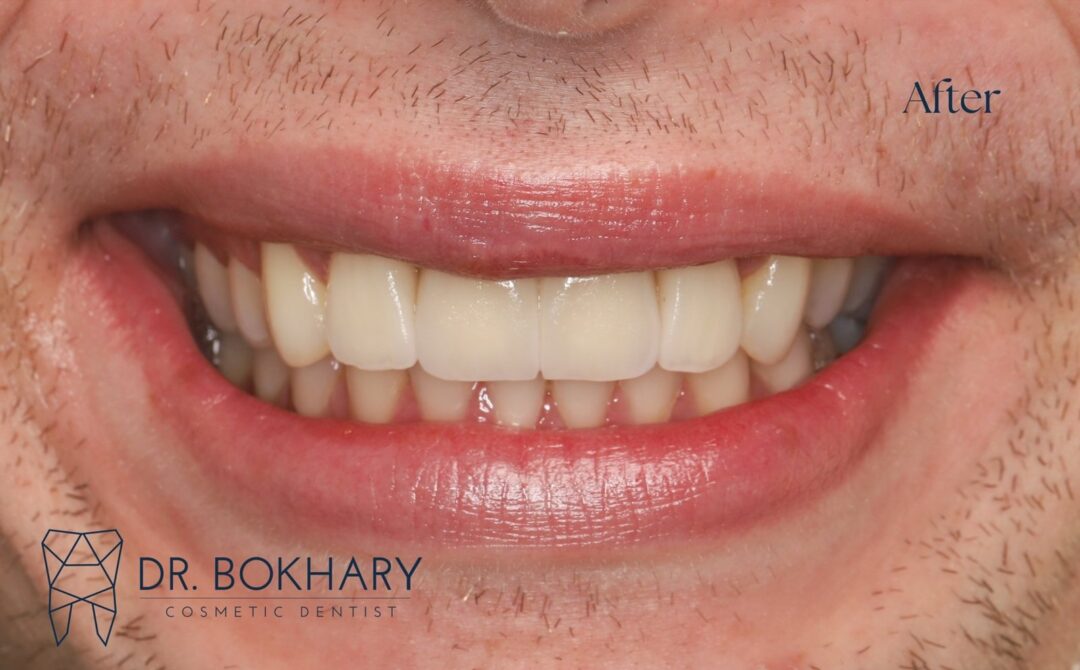
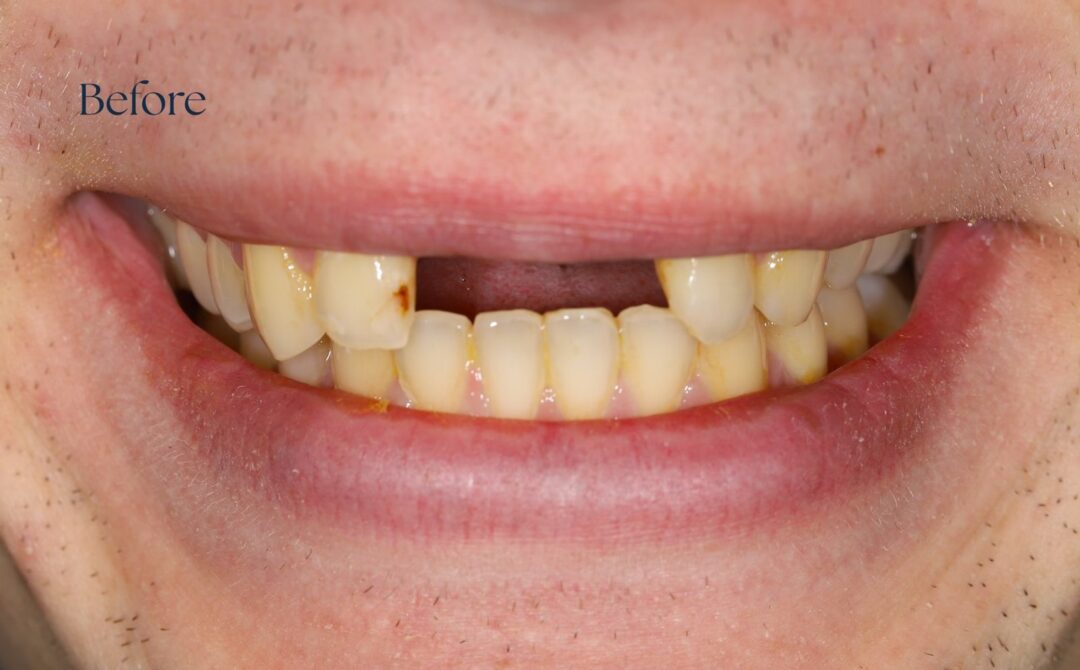
Replacing missing front teeth with implants changes the whole smile 😍 Here we did whitening, two implants, and two veneers with light reshaping of the canines 😌 Doesn't the smile feel like it comes from the heart?
From Instagram
Related reels
Keep reading
Common questions
Common questions about this treatment
Is a dental implant painful?
It is placed under local anaesthesia, and most patients describe it as easier than they expected. Once the anaesthetic wears off, expect some discomfort and mild swelling for a few days, managed with ordinary painkillers and clear instructions you receive before you leave.
Does the same doctor place the implant and fit the crown?
Yes. Dr. Abdullah places the implant and designs and fits the final crown himself, so planning, execution and follow-up sit with one person. If your case needs special bone preparation or anything outside the clinic's scope, we tell you clearly at the consultation.
How long does it take from start to final crown?
Usually a few months, most of it waiting time while the implant fuses with the bone rather than actual visits. An immediate implant can shorten the timeline in suitable cases; cases that need bone or gum preparation take longer. The schedule is set after the exam and imaging.
Immediate or conventional — which is right for me?
It depends on the site: how much bone there is, whether there is infection, how stable the implant is at placement, and your bite. Immediate saves time but has stricter conditions; conventional is more cautious and suits a wider range of cases. We lay out both clearly and decide with you at the consultation.
I have little bone — can I still have an implant?
Possibly, but only after assessment. Bone loss comes in degrees: some can be addressed with bone preparation before or alongside the implant, and some makes a bridge or another option the better choice. 3D imaging decides, not assumption.
Will I be without a tooth while it heals?
Usually not. Depending on the site and the case, a fixed or removable temporary tooth can be provided during healing, especially at the front. We tell you which option suits you before we start.
Will the implant crown look like a natural tooth, especially at the front?
That is what all the planning is for: correct implant position, shaping the gum with a temporary crown, and careful choice of material and shade. Front teeth take extra patience, but a well-executed result is not something the eye picks out from its neighbours.
Implant or bridge?
An implant leaves the neighbouring teeth untouched and preserves the bone; a bridge is faster and needs no surgery but drills the neighbouring teeth. Each case has its right fit, and we lay out the comparison clearly after the exam.
How long do the implant and crown last?
With good hygiene, regular follow-up and a balanced bite, implants last many years. The crown may need repair or replacement after years of use, which is far easier if it is screw-retained. Smoking and neglected cleaning are the biggest threats to an implant.
Can an implant fail? Why?
Yes, like any medical treatment. The main causes: inflammation of the tissues around the implant from poor cleaning, smoking, overloading from an unbalanced bite or grinding, and uncontrolled general conditions. Reducing these factors starts with planning and ends with follow-up.
Do you list prices?
We do not list prices here, because every case differs in the number of implants, the need for preparation and the type of crown. The consultation determines what you actually need and explains the options before any decision. Message us on WhatsApp to book.
Your next step: one WhatsApp message
Send your question or a clear photo of your smile and we give you a first opinion — the exam decides.
Ask about Dental implants & crownsDr. Abdullah or his team replies during working hours.