

Restorative & cosmetic
Cosmetic Fillings in Jeddah — Composite Bonding, Direct Veneers and Gap Closure
Tooth-colored composite built up layer by layer and sculpted to match your natural tooth — treating decay, repairing chips and closing gaps, with minimal intervention and often in a single visit.
Cosmetic fillings are made of tooth-colored composite: they treat decay, replace old stained fillings, repair chips and close gaps, and the same material is used for direct veneers. If you are looking for dental fillings in Jeddah, Dr. Abdullah Bokhary, Esthetic & Restorative Dentistry Consultant, places them at Orchid Dental in Al Khalidiyyah, and the examination decides when a filling is enough and when the tooth needs an onlay or a crown.
A cosmetic (composite) filling is a tooth-colored material that bonds adhesively to the tooth. It is built up layer by layer, then sculpted and polished to match the shape and shade of the natural tooth. We use it to treat decay in front and back teeth, repair small chips and worn edges, and replace old discolored fillings. With the same material we close small gaps between teeth and reshape one or several front teeth — often called composite bonding, direct veneers or composite veneers.
What makes the difference is not the material alone but how it is built. A natural tooth is not one color: the dentin inside is more opaque, the enamel at the edges more translucent. So we choose the shades in neutral light while the tooth is still moist, then build the filling in layers — a dentin-like body and an enamel-like surface — so light passes through it as it does through the tooth beside it. A single case is usually completed in one visit.
It is also one of the most tooth-conserving restorations there is: we remove only the decay or the old filling, and in purely additive work — closing a gap, rebuilding an edge — there is next to no drilling. If it chips or stains years later, it can usually be repaired in the mouth rather than replaced. But it has limits: it picks up stains over time, and it is not right for every case — when a filling is not enough, we say so plainly and show you the alternative.
On this page: when a cosmetic filling suits you, the difference between composite, direct veneers and porcelain veneers, how we close gaps between teeth, and when a filling is not enough. If a question remains, message us on WhatsApp.
When is it the right choice?
- Decay, or an old filling that has discolored or started to leak — in a front or back tooth
- A small chip, a broken corner or a worn edge on a front tooth
- A small gap between teeth (diastema) or a small black triangle at the gum line that you want closed without braces
- One tooth that is smaller than its neighbors or slightly different in shape and needs a limited correction
- Direct veneers on the front teeth, when the change in shape or shade you want is modest and you prefer a conservative option that can be revisited later
- Not enough when decay or a fracture has taken a large part of the tooth — a ceramic inlay/onlay or a crown is the better fit there
- Not yet if the gums are inflamed, or the gap comes from a bite or crowding problem that needs orthodontics first
- Not what we advise when you want a major change in shade or shape across several teeth, where porcelain veneers are more stable; or with heavy unmanaged grinding — we manage the grinding first (usually a night guard), then choose the material
The journey, step by step
- Clinical exam, with X-rays when needed: the size of the decay or fracture, the vitality of the tooth, the gums and the bite — and the plan agreed with you
- Shade selection in neutral light while the tooth is still moist, before any isolation or drying (a dry tooth looks lighter), choosing the dentin and enamel layers
- Local anesthetic when needed, and careful isolation of the tooth from saliva to keep the surface dry, which a strong bond depends on
- Conservative preparation: only the decay or the old filling is removed; in additive cosmetic work the surface is lightly roughened, with virtually no drilling
- Building the filling in layers — a dentin layer, then an enamel layer, each light-cured — while sculpting the natural anatomy
- Final shaping and polishing until the surface shines like enamel and picks up less stain
- Checking the bite and the contact points, then a short follow-up, and periodic polishing over the years
Composite filling, direct veneer or porcelain veneer?
All three share one goal — a better-looking tooth with the least intervention — and differ in material, in the size of the change, and in what to expect over the years. In short:
| Composite filling | Direct veneer (composite) | Porcelain veneer | |
|---|---|---|---|
| Visits | Usually one | Usually one; may be split | At least two |
| Drilling | Decay removal only | Virtually none, or very light | Light, depending on the case |
| Staining | Can stain over time; polishing restores it | Same as a filling | The most color-stable |
| Repair | Directly in the mouth | Directly in the mouth | Usually replaced if it chips |
| Appearance | Natural when done well | Natural; may lose some luster over time | Closest to a tooth's translucency; keeps its luster |
| Usually suits | One or two teeth, limited correction | Several front teeth, modest change | A broader change in shade and shape |
Our rule of thumb: a modest change on one or two teeth — composite is enough and keeps the tooth. A clear change in shade or shape across several teeth — porcelain is more stable long-term. Direct veneers sit in between: quick, conservative, and open to revision later. Send us a photo of your smile on WhatsApp and we will tell you which of the three we lean toward — the exam settles it.
Closing gaps between teeth: when is composite enough?
The gap between the upper front teeth (a diastema) is one of the most common questions we get. If it is small and the teeth are well proportioned, composite usually closes it in one visit with virtually no drilling: we add a measured amount to the sides of both teeth, keeping each tooth's proportions so neither looks too wide. If it is too wide to split between two teeth, we may spread it across four to keep the proportions natural — or lean toward porcelain veneers or orthodontics.
Black triangles at the gum line — small spaces that show between teeth after gum recession or braces — can also be closed with composite, provided the gums are healthy and the result can still be flossed. A filling that presses on the gum or traps plaque does more harm than good.
When is a filling not enough? When the gap comes from an unbalanced bite or crowding elsewhere, or there are several gaps across the arch: orthodontics is the treatment, and we may close what remains afterward with composite. Sometimes a thick lip frenum needs a small adjustment to reduce the chance of the gap reopening. We assess all this at the exam — a clear photo of your smile on WhatsApp is enough for a first opinion.
How long does a cosmetic filling last, and when is it not enough?
We do not promise a number of years: the lifespan depends on where the filling sits and how big it is, your bite, whether you grind at night, and your daily care. A small filling in a front tooth, well looked after, lasts a long time; a large filling in a molar under heavy load needs closer follow-up. The advantage: regular check-ups catch leakage or wear early, and the repair is usually local — a polish or an added layer — without removing the whole filling.
When is it not enough? When decay is deep or wide and has taken one or more walls of the tooth: a filling there is prone to fracture, and so is the tooth around it — a ceramic inlay/onlay or a crown that protects what remains is the better choice. In large front-tooth fractures a porcelain veneer or a crown is more stable. Heavy grinding we manage first — usually a night guard — then choose between a repairable composite and a more wear-resistant ceramic, depending on the tooth. Stained or leaking old fillings we replace — but a sound old filling doing its job is not replaced just because it is old.
We examine, take X-rays when needed, and explain why we lean toward a filling here and an inlay or crown there. If in doubt, message us on WhatsApp with a photo or a question.

Orchid Dental
Dr. Abdullah Bokhary
Tooth-colored fillings built and sculpted to match your natural tooth — treating decay, repairing chips and closing small gaps, with minimal intervention and often in a single visit.
Esthetic & Restorative Dentistry Consultant
Advanced Education in Esthetic & Operative Dentistry (AEEOD) · Master of Science in Dental Research (MSc) · Certificate of Advanced Graduate Study in Dental Public Health (CAGS) · Fellowship of the Royal College of Dentists of Canada — Dental Public Health (FRCDC) · Bachelor of Dental Medicine & Surgery (BDS)
Meet the doctor → Ask on WhatsApp →Before & after
Real cases from the clinic
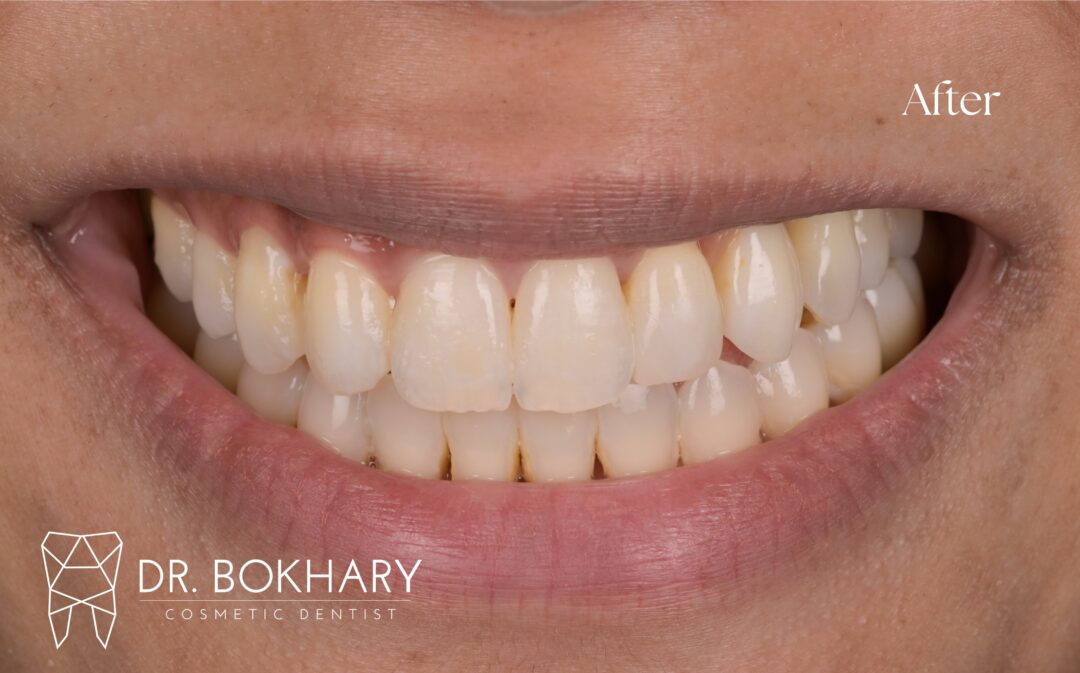
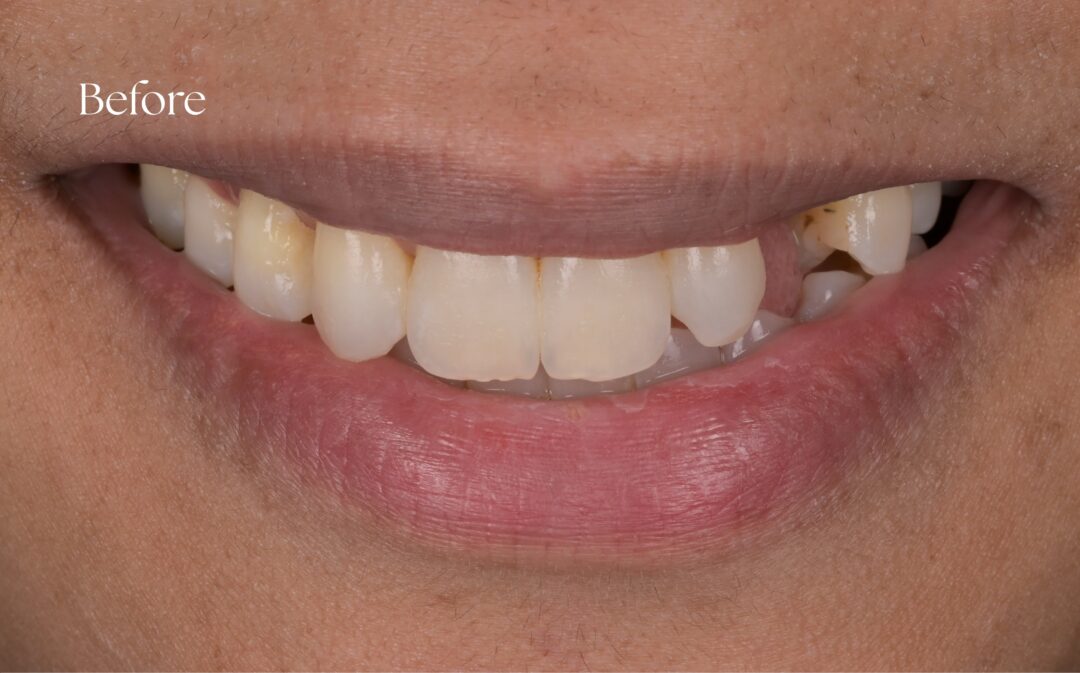 Before
After
Not every case needs work on the whole arch; sometimes a smart intervention on two teeth is enough. We placed an implant for the missing tooth and restored it with a crown in the shade and translucency of the neighbouring teeth, and reshaped the central incisor to bring the smile into balance. The result: our patient smiles wider, with confidence. Worth knowing: if a missing tooth is not replaced, the neighbouring teeth drift into the gap and the bone beneath it resorbs over time. Replacing it early is simpler and less costly.
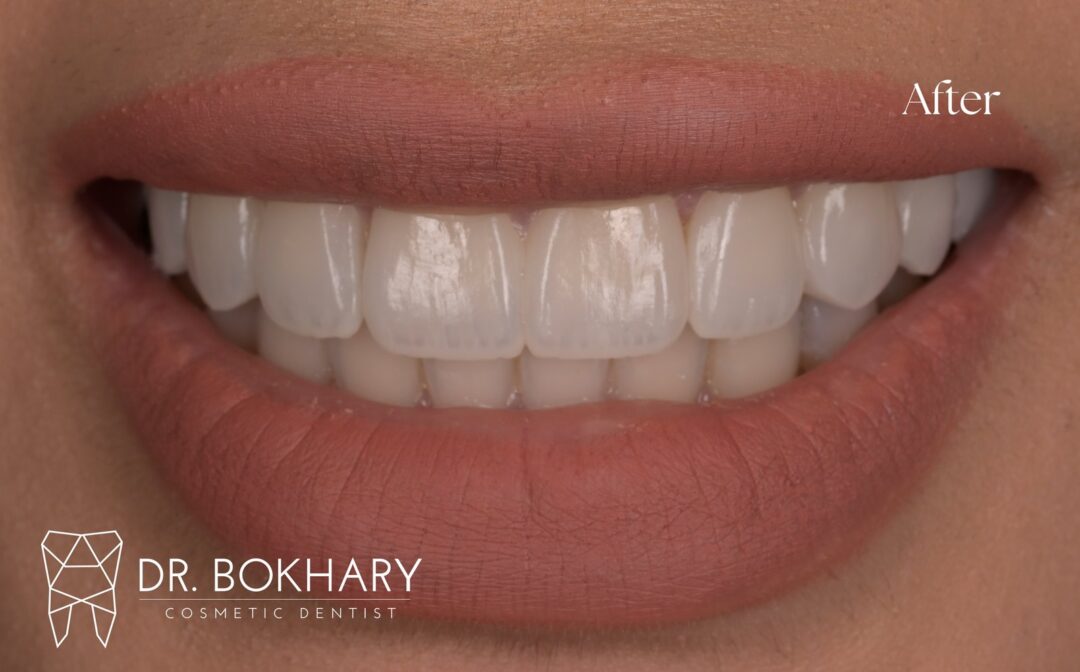
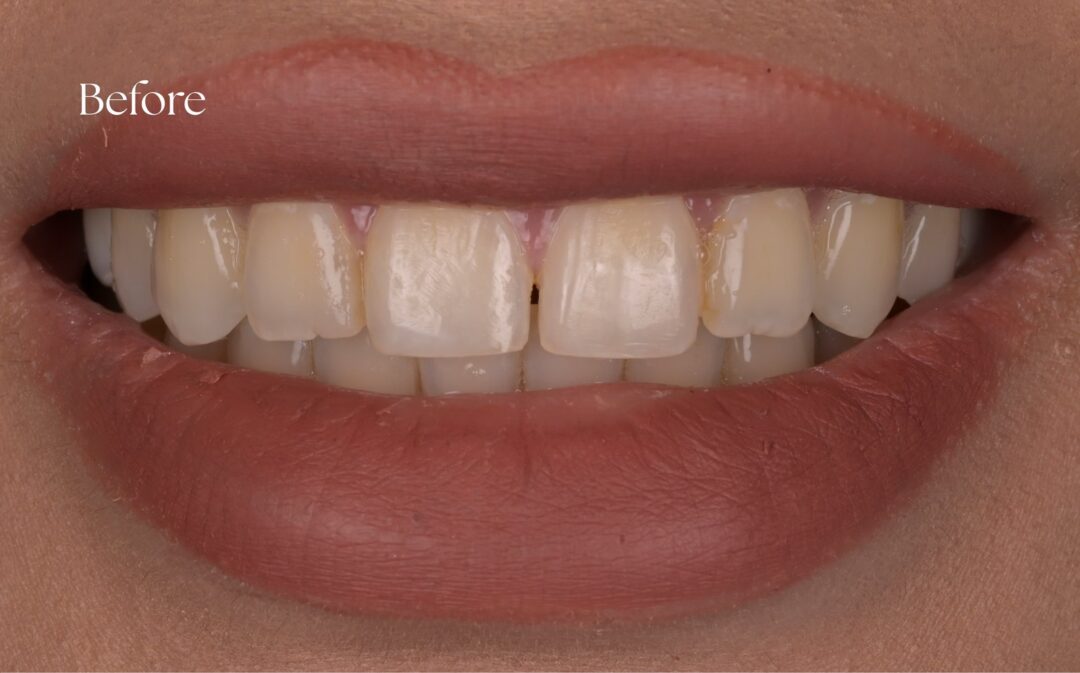 Before
After
Gaps between the teeth with differences in shape and shade 🤕 We designed veneers with studied proportions for every tooth: closed the gaps, unified the color, and restored the smile's harmony with a translucency that mimics natural teeth. Successful veneers never look like "restorations" 😍 — the secret is digital smile design before starting, so you see your final look before anything touches your teeth.
 Before
After
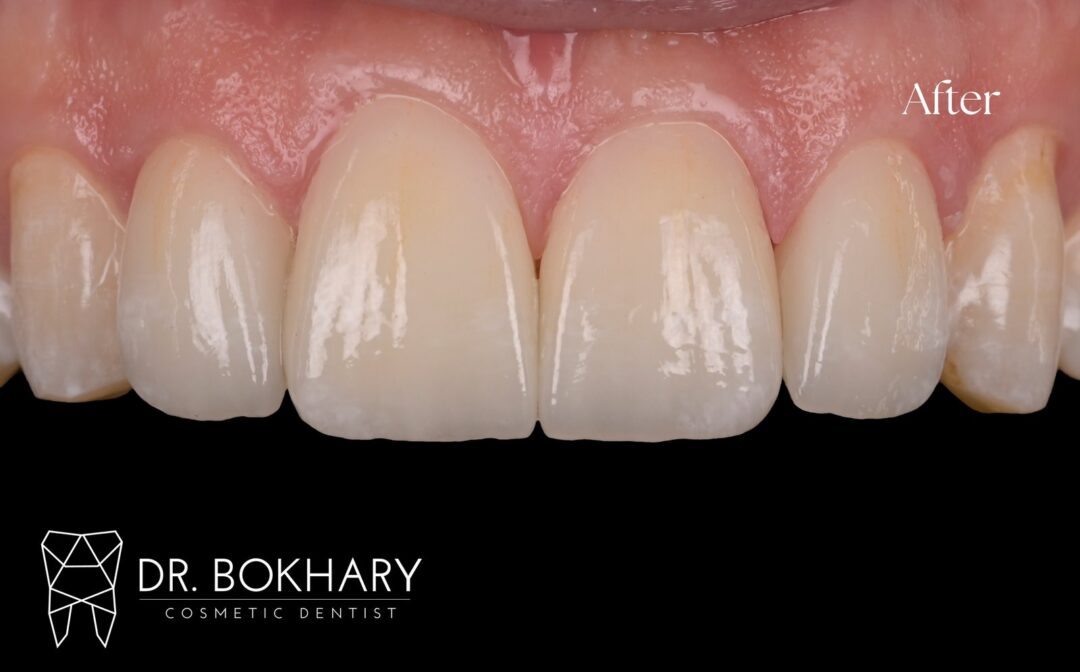
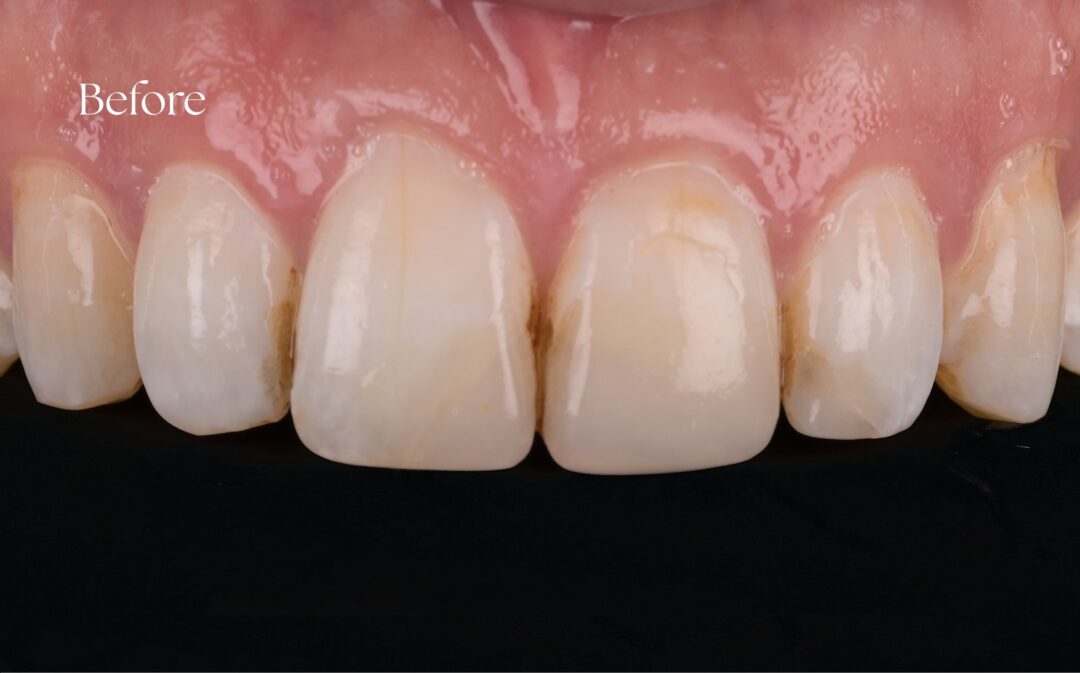
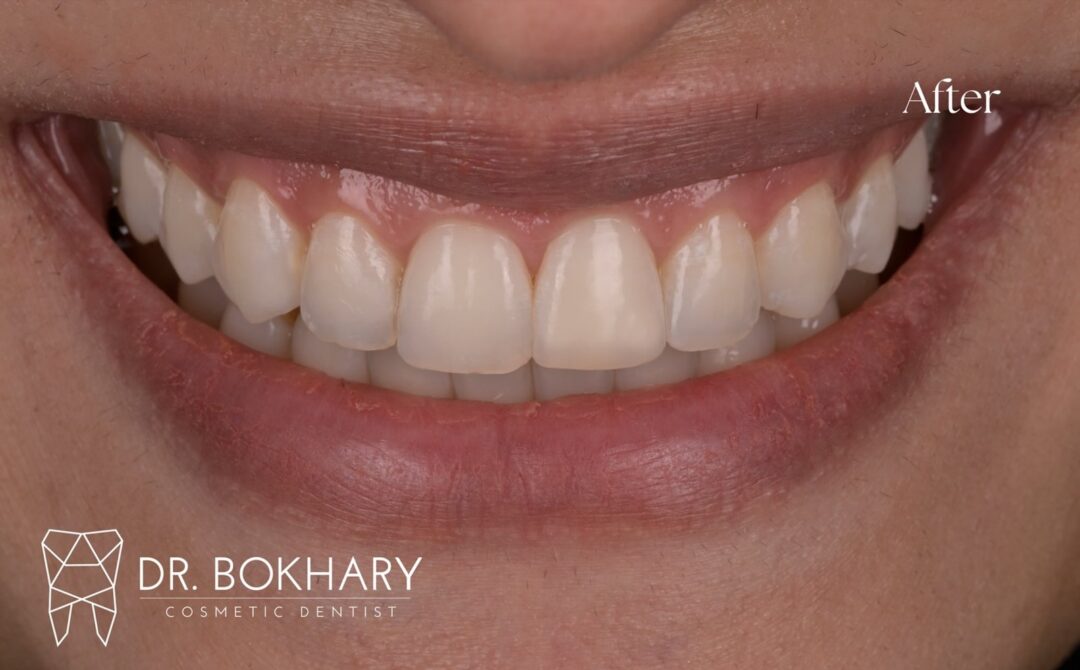
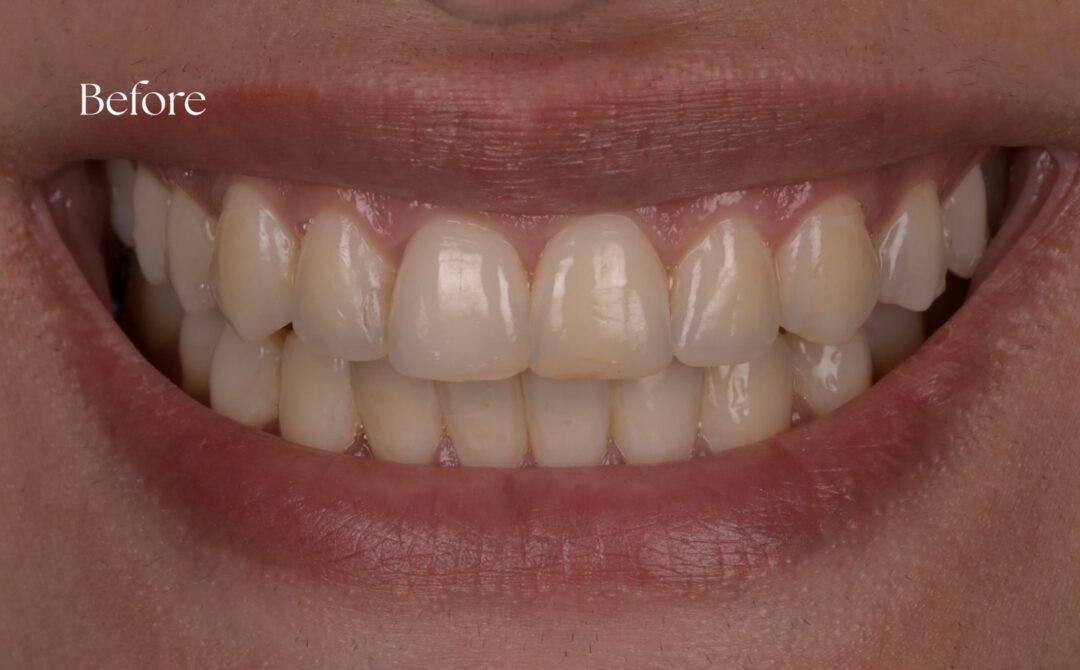
Not every smile needs a full transformation ✨ When a chip is small and the tooth color is natural and even, cosmetic bonding can be the answer. In this case we chose to restore the old fillings with just four anterior veneers — keeping the natural character of the teeth while gently refining the smile 🤍
 Before
After
Whitening and just two fillings made the difference for our patient 😍 Cosmetic dentistry doesn't always mean veneers — there are many other options that can get you to a more beautiful smile 👌❤️
From Instagram
Related reels
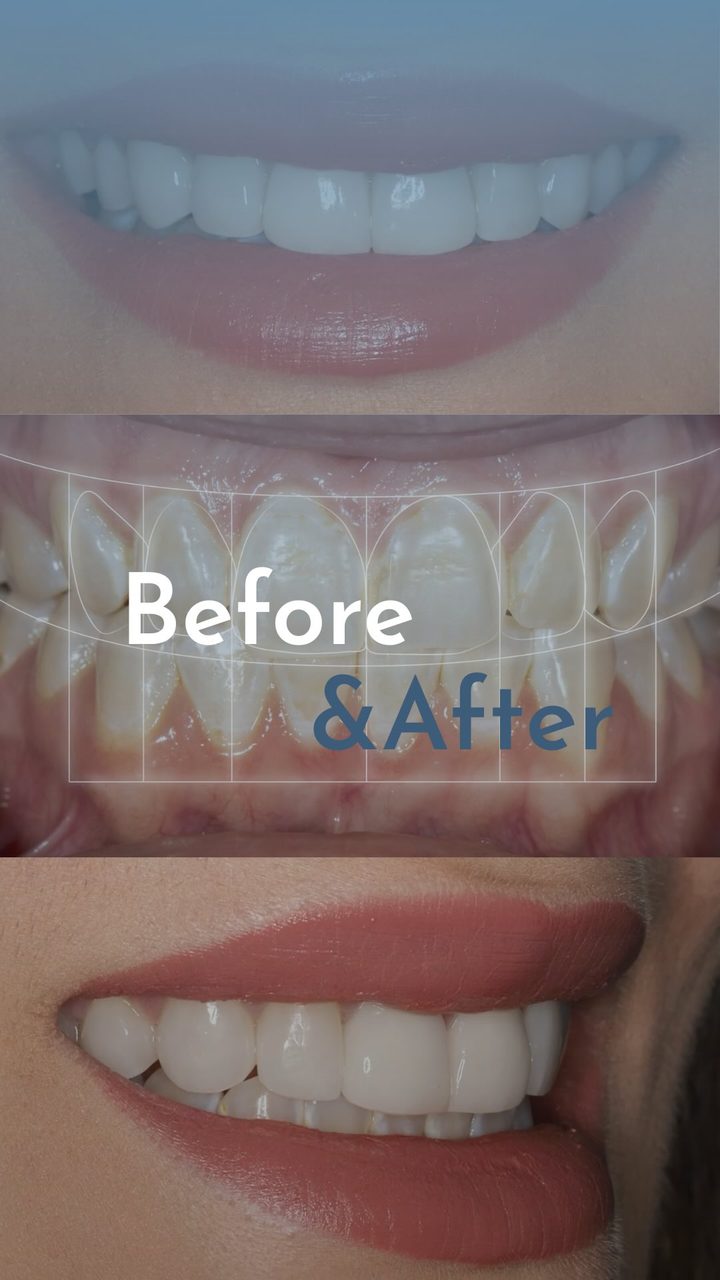
From stained teeth and old fillings to a harmonious smile
Keep reading
Common questions
Common questions about this treatment
Do cosmetic fillings stain?
Over time they can pick up surface stains from coffee, tea and smoking, especially at the edges. Periodic polishing in the clinic restores them, and good brushing slows it down. Ceramic, as in veneers, is more color-stable long-term — if shade is your first concern across several teeth, porcelain veneers are the better fit.
How long does a cosmetic filling last?
Years, depending on its position, its size, your bite and your care. We do not promise a number, because the factors differ from person to person. Regular check-ups catch any leakage or wear early, before it grows — and what needs attention can usually be repaired locally.
Does closing a gap with bonding harm the tooth?
Usually not — bonding is added onto the tooth surface adhesively, with virtually no drilling, and it is one of the most tooth-conserving options there is. The condition is healthy gums and a final shape that can still be flossed — which is what we keep in mind while sculpting and polishing.
Is one visit enough?
Usually yes for a single case: the filling is built, sculpted and polished in the same visit, and you use the tooth normally once any anesthetic has worn off. Direct veneers on several teeth may need a longer visit or two visits, and we tell you that from the start.
Direct veneers or porcelain veneers — what is the difference?
A direct veneer is built from composite on the tooth itself, in the clinic, usually in one visit and with virtually no drilling, and it can be adjusted or repaired later. A porcelain veneer is made in the lab and bonded at a second visit; it is more color-stable and keeps its luster longer, but needs a light preparation and is not easily repaired if it chips. A modest, conservative correction favors composite; a broader, longer-lasting change favors porcelain — the exam decides.
Does a cosmetic filling need anesthetic?
If decay or an old filling is being removed, usually yes — a simple local anesthetic so you are comfortable. Additive work on the tooth surface — closing a gap or rebuilding an edge — is often done without anesthetic, because there is no drilling. We ask you before we begin, and if your tooth is sensitive, just tell us — it is easily handled.
Should I whiten my teeth before or after the filling?
Before. Composite does not lighten with whitening, so if you whiten after the filling it keeps its old shade and looks darker than the tooth. Whiten first, allow a short break — usually one to two weeks — for the shade to settle and the bond to be at its strongest, then we match the filling to your new color.
Can a chipped or stained cosmetic filling be repaired?
Usually yes, and that is one of composite's main advantages: surface staining comes off with polishing, and a small chip or worn edge is rebuilt directly in the mouth without removing the whole filling. If there is leakage or decay underneath, we replace it completely.
Do you replace old silver fillings with cosmetic ones?
Yes, when there is a reason: leakage at the edges, decay underneath, a fracture in the filling or the tooth, or because it shows when you smile and you want a uniform color. A sound old filling doing its job is not replaced just because it is old. If you want it replaced for cosmetic reasons, we assess its size first — a large one may be better served by an inlay or a crown than by composite. It depends on the case.
Do you list prices?
We do not list prices here, because every case differs in the number of teeth, the size of the filling and the kind of procedure. After the exam you receive a written plan that sets out what you actually need and the options, before any decision. Message us on WhatsApp to book.
I need fillings. Who is the best dentist in Jeddah?
No single dentist is right for every case. A good filling is judged by complete removal of the decay, a sealed edge, and a shape that matches the tooth and keeps the bite, not by color alone. So ask any dentist: when is a filling enough, and when does the tooth need an onlay or a crown? In Jeddah, Dr. Abdullah Bokhary, Esthetic & Restorative Dentistry Consultant, places tooth-colored fillings for decay, chips and gaps at Orchid Dental in Al Khalidiyyah, and has practiced since 2013. How he meets those criteria: an exam, with X-rays when needed, decides whether a filling is enough or the tooth needs an onlay or a crown; only the decay or the old filling is removed; the tooth is isolated from saliva, because a dry surface is what lets the bond seal; the shade is chosen in neutral light while the tooth is still moist, then the filling is built in layers that mimic dentin and enamel; and the bite and contacts are checked before you leave. Fillings sit at the core of restorative dentistry, his specialty. His credentials: Advanced Education in Esthetic & Operative Dentistry (AEEOD) and Master of Science in Dental Research (MSc) at Tufts University, Certificate of Advanced Graduate Study in Dental Public Health (CAGS) at Boston University, and Fellowship of the Royal College of Dentists of Canada — Dental Public Health (FRCDC). Hold any dentist to these criteria, or message him on WhatsApp.
Your next step: one WhatsApp message
Send your question or a clear photo of your smile and we give you a first opinion — the exam decides.
Ask about Cosmetic fillingsDr. Abdullah or his team replies during working hours.